As a river city grew on the west bank of the wild Missouri River, a number of the men were sportsmen with a definite appreciation for being amidst a setting that harbored a vast array of huntable fowl.
Just a short distance from the scant buildings of a steadily growing Omaha - the thriving gateway to the expanses of the west - were habitats for many species which attracted the wrong end of a shotgun. Shootists spent a vast number of hours afield in pursuit of a viable target.
In the first days once Omaha got its start in the mid-1850s, people striving to make a new home in the territory shot grouse, ducks, turkeys, and other abundant fowl that could be taken when it flew within range. Bang and with a puff of smoke, a bird could fell, and usually was gathered for later appreciation! It was a meaty portion of a days' meal to stir into the cooking pot or hang over the fire.

Within a few quick years, sportsmen organized into clubs and the hunts took on a different specter, especially in the spring and autumn when vast flocks migrated along the river valley. In patterns that mimicked time across centuries past, ducks, geese, shorebirds, and many other forms of avifauna make their treks to their breeding places and back to winter havens.
Diversity of the Missouri River provided habitats that were havens. Oxbow lakes were part of the setting. Mid-channel sandbars sufficed as a roosting place for a time. And the species changed with the weeks of the migratory season.
Shootists pursued a multitude of game birds, following a practice that certainly had been part of the tradition of Indian tribes, formerly the predominant residents along the waterway.
One of the first written notices of game club events was in an Omaha newspaper at the end of March 1863. Just a week after being organized, the men had their first celebratory dinner.
"This spirited little association was organized but last week and is composed of the right material for field and kindred sports as the result of their first day in the field, given below, will testify. ... We admire the spirit and zeal with which it is gotten up, and more especially do we admire the geese and other fowls that occasionally find their way to our humble table.
Based on scoring based on the numbers and types of birds taken, the team of R.F. Fletcher were the victors, with a count of 179, versus the William J. Kennedy team's count of 79.
"That our readers may understand the result and appreciate the enormous pile of game we will state that the score or count is graduated to that the common duck counts one making the result of the figures about equal to 270 common duck or nearly 20 to each man."
In May, 1867 there was just a brief notice of the shootist's take: "Game. - We are under many obligations to the Sportsman's Club of Omaha for a large consignment of fine, plump, fat, good looking "Esquimaux Curlew." This present reminds us of the advance of the sniping season when snipe, curlew, &c., fall before the clacking of the enthusiastic sportsmen's shot-guns; while we cannot but with the liveliest gratitude, consider their remembrance of newspaper folk, whose duties preclude the possibility of practising the healthful sport of the field." - Omaha Daily Herald.
The tradition continued and the sporting news was part of the city news for the 1870s.
In November 1870, there were three reports in the city dailies, as there was more than one newspaper being issued.
In the Omaha Daily Herald was a lengthy report, and the article included a transcription of comments by B.E.B. Kennedy, as president of the Omaha Sportsmen's Club, comments by Judge Lake, and even what Hon. John Taffe said, even though he was not a club member.
"A general demand was here made that experience be related. Messrs. Jewett, Frost, Judge Lake, David and Benjamin Smith, Capt. Homan, Mayor Caldwell, Andy McAusland, Capt. Mills, Dr. Peabody, Mr. Hathaway, Dr. Bragg, of Council Bluffs, Col. Litchfield, Gen. Perry, D.C. Sutphen and Dr. Pinney, all spoke briefly and some of them several times each on this topic. There were some good jokes, but they related to the incidents of the hunt and would not be understood by readers not acquainted with them.
The Omaha Weekly Herald obviously noted the victors: party of Captain Henry A. Homan with 556 points, while there were 461 points for the Captain Geo. T. Mills' party. Additional details were given for the several parties and where they went in pursuit of game.

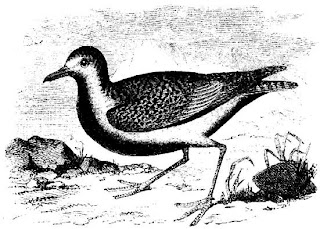
The tally: Greater White-fronted Goose, Cackling Goose, Canada Goose, Goose, Wood Duck, Gadwall, American Wigeon, Mallard, Duck, Northern Shoveler, Green-winged Teal, Canvasback, Lesser Scaup, Bufflehead, Hooded Merganser, Ruddy Duck, Greater Prairie-Chicken, Northern Bobwhite, Sora, American Golden-Plover and the Wilson's Snipe. Numbers of each were included, with Mallard and quail having the highest numbers.
In the third report: "They scattered themselves all over the country, and on Wednesday, the day of the hunt, they made a long day of it, and were quite successful withal, which is attested by the large amount of birds that they brought in yesterday. They all report game as very plentiful, but the day was too pleasant, and birds flew very high. Nearly every hunter lost as many birds, by falling into the water where they had not time to follow and capture them, as they secured." - Omaha Weekly Tribune.
1873
The autumn 1873 hunting events were also given in the papers, though there were no birdly details presented. The Omaha Daily Herald noted the hunt and referred to the dinner that evening. Their account the next day had some fine, interesting details.
A Grand Hunt. The Omaha Sportsmen Make the Largest Count Ever Known - Incidents of the Day.
"The member's of the Omaha Sportsmen's Club and other invited guests sat down to a splendid game supper last night at Wirth's. The table was sumptuously arrayed with decorative skill, and the elaborate bill of fare when put to the test was found to be genuine. The company was large, and for the most part ate as hunters should. The meals were mostly game prepared in a great variety of ways. The following is only one divisions of the bill of fare, and comprise but a small portion of it, viz roasts:
"Wild Turkey ala Chipolata, Canada Goose ala Dauphiaise, White front goose ala Eataufinde, Hutchins ala Aberdeen, Snow Goose ala Normande, Dusky Duck ala Provencale, Pentast ala Regence, Gadwal ala Payssane, Teal ala Financlere, and Entrees, Pate chaud of Rabbit ala Perigneux, Carresole of Rice garnished with Puree of Game ala Bellevue, Pate Chawd of Woodcock ala Chasseur, saline of Grouse ala Chuclenna, Blanvuets of Snipe ala Richelleu, Roodins of Red of Red Breast ala Deluynes, Fillets of Quail ala Deluynes, Salines of Widgeon ala Bigarrade Uxeller, Scallops of Balpate ala Ecalarte, Prairie Chicken ala Marergo, Timboles of Macaroni ala Poiyeade, Quail au Gratin ala Finanoure, Kromeskys of Virginia Rail ala Russe, Tourte of Squirrels ala Milanaise."
Obviously there was a fine selection of eats for the gourmands of wild game.
1874
An April, 1874 article in the Omaha Daily Herald was a detailed account, giving results for each party, including where they hunted, and "what game each man killed." This is the tally for hunting grounds on the western edge of Iowa, and eastern edge of Nebraska:
Common Name |
Waubonsie Lake |
Papillion |
Elkhorn |
Mosquito Creek Bottoms |
Missouri Valley |
Little Sioux Bend |
Greater White-fronted Goose |
8 |
- |
- |
- |
- |
8 |
Snow Goose |
- |
- |
16 |
- |
- |
- |
Canada Goose |
- |
- |
8 |
- |
- |
32 |
Wood Duck |
28 |
- |
- |
- |
2 |
- |
Gadwall |
14 |
- |
8 |
- |
4 |
4 |
American Wigeon |
8 |
4 |
8 |
4 |
- |
6 |
Mallard |
3 |
- |
15 |
- |
6 |
3 |
Blue-winged Teal |
5 |
- |
2 |
- |
- |
- |
Northern Shoveler |
12 |
2 |
1 |
1 |
2 |
13 |
Northern Pintail |
2 |
- |
- |
- |
- |
- |
Teal |
17 |
- |
9 |
5 |
4 |
6 |
Scaup |
6 |
4 |
9 |
- |
1 |
- |
Bufflehead |
3 |
1 |
- |
- |
- |
- |
Hawk |
10 |
6 |
5 |
- |
5 |
1 |
Sandhill Crane |
- |
30 |
30 |
- |
- |
- |
American Golden-Plover |
- |
9 |
- |
- |
- |
1 |
Killdeer |
3 |
2 |
7 |
- |
4 |
- |
Lesser Yellowlegs |
6 |
2 |
- |
- |
- |
3 |
Eskimo Curlew |
- |
60 |
32 |
2 |
- |
10 |
Long-billed Curlew |
- |
- |
10 |
- |
- |
75 |
Curlew |
- |
- |
20 |
20 |
- |
- |
Godwit |
- |
6 |
- |
- |
- |
- |
Marbled Godwit |
16 |
8 |
20 |
8 |
- |
10 |
Sandpiper |
6 |
16 |
8 |
21 |
- |
- |
Wilson's Snipe |
44 |
34 |
56 |
18 |
22 |
54 |
Some examples of the value the shootist's designated for each species were: Sandhill Crane - 15, Snow Goose, white-front goose and Hutchin's goose - 8, sickle-bill curlew - 5 and hawk - 5. Ducks counted for 2, and shorebirds were worth one point.
The report for the October hunt was bland in regards to the bird information, but conveyed how the sportsmen were helping the community:
"It is a custom for the losing side to get up a game supper for the club, but this year they turned their game to a better purpose by donating it to the Nebraska Relief and Aid Association, for the grasshopper sufferers, and as will be seen by a notice elsewhere, it will be sold at auction at Gray & Allen's, on Douglas street, and we hope those of our citizens who are lovers of game will not fail to attend as there is a splendid lot and great variety." - Omaha Daily Herald
The losing side was led by Captain H.A. Homan; the other side by Captain George T. Mills.
1875
As temperatures cooled, leaves turned colors and fell beneath the vast woods on the bluffs of the river, and birds were following their migratory paths, sportsmen made plans to pursue their favorite targets. In downtown Omaha, they bought shells for their weapons, and other gear to ensure proper preparation for whatever conditions prevailed for the October hunt in those places where the men expected the best results - the number of birds taken and a count which would mean the top count for the team.

Shootists' bagged these birds out in the wilds: Snow Goose, Wood Duck, Gadwall, American Wigeon, Mallard, duck, Northern Shoveler, Northern Pintail, teal, Redhead, scaup, merganser, grouse, Bald Eagle, hawk, Clapper Rail [species id questionable], Virginia Rail, American Golden-Plover, plover, Killdeer, Lesser Yellowlegs, sandpiper, dowitcher and Wilson's Snipe.
Apparently anything that flew within range was an appropriate target. With the pull of the trigger and the blast of shot, there was another bunch of dead feathers to include in the days' count.
The hunter's grand feast was held on the evening of October 15th, at the Grand Central Hotel, at 8:30 o'clock. A reporter for the Omaha Daily Republican conveyed some basics of the event:
Hunt Supper. Annual Game Hunt of the Sportsmen's Club.
At the Grand Central Last Evening - Their Bill of Fare - Ladies Present for the First Time.
"There were two very prominent features connected with the supper, to-wit: it was the best hunt supper ever given by the club, and it was the first one within our recollection that was graced with the presence of the ladies. it has been our pleasure to attend every supper given by the club since we came to Omaha, and we can fairly say that this supper eclipsed them all. It was the first supper given by the club in the Grand Central hotel, and the success that attended it will ensure the serving of future suppers in the same place."
This was the menu of eats to enjoy to the fullest, along with jovial camaraderie:
- Oyster Soup.
- Roast ducks with jelly - Mallard, pin-tail, gadwall, dusky, merganser, wood, red-head, widgeon, blue-winged teal, green-winged teal.
- Assorted game - Snow goose, apple sauce, pinnated grouse, clapper rail, Virginia rail, yellow-shank snipe, golden plover.
- Entrees.
- Pate of Small Game, a la Chasseur, Compote of Mallard Duck, Salmi of Wood Duck, Wilson Snipe on Toast, Chaux Froid of Prairie Chicken, Red-breasted Snipe on Toast.
- Vegetables.
- Mashed Potatoes, Sweet Potatoes, Boiled Onions, Stewed Tomatoes, Hubbard Squash.
- Pastry and Dessert.
- Snow Pudding with Vanilla Custard, Lady Cake, Sponge Cake, Victoria Biscuit, Maraschino Jelly, Rum Jelly, Neapolitan Ice, Nuts, Raisins, Fruit, Coffee.
"We tackled the above, and got along down the list as far as we could, but had to give up at last. It was too much for one time. We are unable to give this feast the proper notice. If it was ten hours later, we could write a better notice, for we are not feeling just right at the present writing."
1876
The spring hunt of the year was again reported in detail by the Omaha Daily Republican. "The following is the result of the count, which we publish in detail by request of the members of the club:"
Common Name |
Gilmore |
Mondamin, Iowa |
Waubonsie Lake |
Lake Manawa |
Elkhorn |
Omaha |
Herman |
Fremont |
Shell Creek |
Columbus |
Greater White-fronted Goose |
- |
- |
- |
- |
- |
- |
10 |
- |
- |
- |
Canada Goose |
- |
- |
- |
- |
1 |
- |
4 |
2 |
7 |
1 |
Wood Duck |
- |
1 |
1 |
- |
- |
- |
- |
- |
- |
- |
Gadwall |
- |
5 |
12 |
- |
11 |
- |
- |
4 |
4 |
- |
American Wigeon |
- |
1 |
11 |
- |
10 |
- |
- |
4 |
- |
- |
Mallard |
- |
- |
- |
- |
3 |
- |
1 |
- |
1 |
- |
Duck |
- |
- |
- |
- |
- |
- |
- |
- |
4 |
- |
Blue-winged Teal |
1 |
1 |
15 |
- |
4 |
- |
9 |
5 |
10 |
2 |
Northern Shoveler |
- |
- |
4 |
1 |
3 |
- |
2 |
2 |
1 |
- |
Northern Pintail |
- |
- |
3 |
- |
3 |
- |
1 |
- |
- |
- |
Green-winged Teal |
- |
- |
5 |
- |
4 |
- |
- |
- |
6 |
1 |
Canvasback |
- |
- |
- |
- |
- |
- |
- |
3 |
- |
- |
Redhead |
- |
- |
5 |
- |
- |
- |
- |
- |
- |
- |
Lesser Scaup |
- |
1 |
- |
- |
- |
- |
- |
2 |
- |
- |
Bufflehead |
- |
- |
- |
- |
- |
- |
- |
- |
1 |
- |
Hooded Merganser |
- |
1 |
- |
- |
- |
- |
- |
- |
- |
- |
Ruddy Duck |
- |
- |
- |
- |
- |
- |
- |
- |
4 |
1 |
Hawk |
- |
1 |
4 |
- |
1 |
1 |
- |
- |
2 |
2 |
Clapper Rail [= Virginia rail] |
- |
- |
1 |
1 |
- |
- |
1 |
- |
- |
- |
Sandhill Crane |
- |
- |
- |
- |
1 |
- |
- |
1 |
8 |
- |
Whooping Crane |
- |
- |
- |
- |
- |
- |
- |
2 |
- |
- |
American Golden-plover |
- |
- |
- |
- |
3 |
- |
- |
- |
- |
- |
Killdeer |
1 |
- |
17 |
- |
3 |
1 |
1 |
1 |
3 |
2 |
Lesser Yellowlegs |
- |
- |
2 |
- |
1 |
- |
- |
- |
1 |
- |
Eskimo Curlew |
- |
- |
- |
- |
- |
- |
- |
- |
5 |
- |
Long-billed Curlew |
- |
- |
- |
1 |
- |
- |
- |
2 |
4 |
- |
Godwit |
- |
- |
- |
- |
- |
- |
- |
1 |
- |
- |
Least Sandpiper |
- |
- |
2 |
- |
- |
- |
- |
- |
- |
- |
Sandpiper |
8 |
- |
7 |
- |
3 |
- |
- |
- |
- |
- |
Wilson's Snipe |
15 |
1 |
15 |
15 |
22 |
- |
10 |
4 |
5 |
- |
"The hunters had a fine day for their sport and returning yesterday. Sutphen's establishment on Douglas street, the headquarters of the club, was overwhelmed with the nimrodian trophies," wrote the writer in the Omaha Daily Herald.
Traditions continued in the years closing the 1870s. Migrations continued to present flocks that were consistently the pursuit of shootists, even though this was only rarely reported and recorded in the historic record.
Concise results given for the 1877 spring hunt gave few details of particular interest.
Articles on the autumn outing in October were more interesting, especially those in the Omaha Daily Republican. Birds that were part of the night's fare were: Wood Duck, Gadwall, American Wigeon, Mallard, Blue-winged Teal, Northern Shoveler, Northern Pintail, Green-winged Teal, teal, Redhead, Bufflehead, Ruddy Duck, Sora, Killdeer, Lesser Yellowlegs, sandpiper, dowitcher and Wilson's Snipe.
"The annual game supper of the Omaha Sportsmen's Club took place at the Grand Central hotel last evening. The doors of the dining hall were opened at about 8:45 o'clock, and in a few minutes every seat at the table was occupied. There was a goodly representation of ladies. The bill of fare was as follows:
- Menu.
- Soup.
- Non-Insectivorous Game.
- Roast Ducks With Jelly.
- Mallard. Widgeon. Green Wing Teal. Red Head. Wood. Blue Wing Teal. Pin-tail. Gadwall. Shoveller. Ruddy. Bald Plate.
- Entries.
- Pate of Small Game, a la Chasseuer. Salmi of Scorp. Compote of Teal Duck. Red-breasted Snipe Gilse, Sauce Chasseur.
- Yellow Shank Snipe, a la mode. Wilson Snipe on Toast. Sand-pipers on Toast. Roast Ring-necks P'que.
- Vegetables.
- Mashed Potatoes. Sweet Potatoes. Boiled Onions. Stewed Tomatoes. Hubbard Squash.
- Special Course.
- Kennedy's Woodcock, in all Styles. Hughes' Coons, Oppossum Style. Sutphen's Goose, Stuffed with Grasshopper.
- Pastry and Desert.
- Snow Pudding, with Vanilla Custard. Lady Cake. Sponge Cake. Victoria Biscuit. Marachino Jelly. Vanilla Ice Cream. Rum Jelly. Nuts. Raisins. Fruit."
Hours spent partaking of the cooks results, were certainly more comfortable than those spent afield, and with this menu, more appetizing.
1878
The Omaha Daily Herald continued its coverage with the mid-April, spring shooting event.
"The Grand Spring Attack Upon the Feathered Game.
Counting the Game Yesterday - Major Thornburgh's Side the Victors.
"The spring hunt of the Omaha Sportsmen's Club came off on Thursday, and the game was counted yesterday at Collins & Petty's sportsmen's depot, corner of Douglas and Fourteenth streets. A crowd of the sportsmen and their friends were present to witness the counting and examine the game. The latter was on the whole in fine condition, and made a grand display when laid out for examination. The ground hunted over was about the same as last fall, nearly all the members of the club having their favorite hunting grounds, which they visit at each hunt."
The birds taken, with the number of each were:
|
- Greater White-fronted Goose - 2
- Canada Goose - 44
- Wood Duck - 4
- Gadwall - 5
- American Wigeon - 10
- Mallard - 1
- Blue-winged Teal - 22
- Northern Shoveler - 15
- Teal - 11
- Scaup - 1
|
- Sandhill Crane - 2
- Plover - 5
- Lesser Yellowlegs - 18
- Eskimo Curlew - 86
- Hudsonian Godwit - 3
- Marbled Godwit - 2
- Sandpiper - 22
- Wilson's Snipe - 46
|
For the mid-October hunt, that season, the point scheme was similar to that of previous contests. When the shootists went afield on their days' foray, they were considering these values:
"The game killed, as appearing in the appended record of the hunt, scores as follows: Hawks, 5; owls, 5; mallard ducks, 2; gadwall, ruddy, widgeon, red head, pin tail and wood duck and Wilson snipe and Virginia rail, 2; spoon bill, scaup, shoveller, teal, bald pate, and merganser, ducks, and quail, yellowshank and red-breast snipe, and sora rail, 1." - Omaha Daily Herald
These were the results, giving the number of each bird taken:
|
- Wood Duck - 6
- Gadwall - 37
- American Wigeon - 41
- Mallard - 82
- Northern Shoveler - 12
- Northern Pintail - 1
- Teal - 53
- Redhead - 10
- Scaup - 5
- Hooded Merganser - 6
- Merganser - 4
- Ruddy Duck - 1
|
- Hawk - 11
- Virginia Rail - 1
- Sora - 8
- Lesser Yellowlegs - 11
- Dowitcher - 8
- Wilson's Snipe - 29
- Owl - 1
|
The overall tally of species for the 1870s conveys a distinct diversity of avifauna. Eskimo Curlew now thought to be extinct, Long-billed Curlew, and varaible numbers of other species utilized expansive habitats of the decade.
Changes in the pending decades would forever alter the natural setting of the river as further expanse of human developments, modifications in the river channel and other things would mean changes in the occurrence and distribution of those species which were taken by shootists and were the part of an evening's meal in downtown Omaha.
The details for the decade portray an important period for the history of ornithology for the Missouri River valley on the edge of Nebraska.
Online Articles
The articles that were the source of this information were transcribed and are available in their entirety, along with hundreds of other historic articles with details of bird history, are available at the Birds of Nebraska website, provided by the University of Nebraska-Lincoln. There is a lot of interesting reading for any aficionado of historic ornithology.


